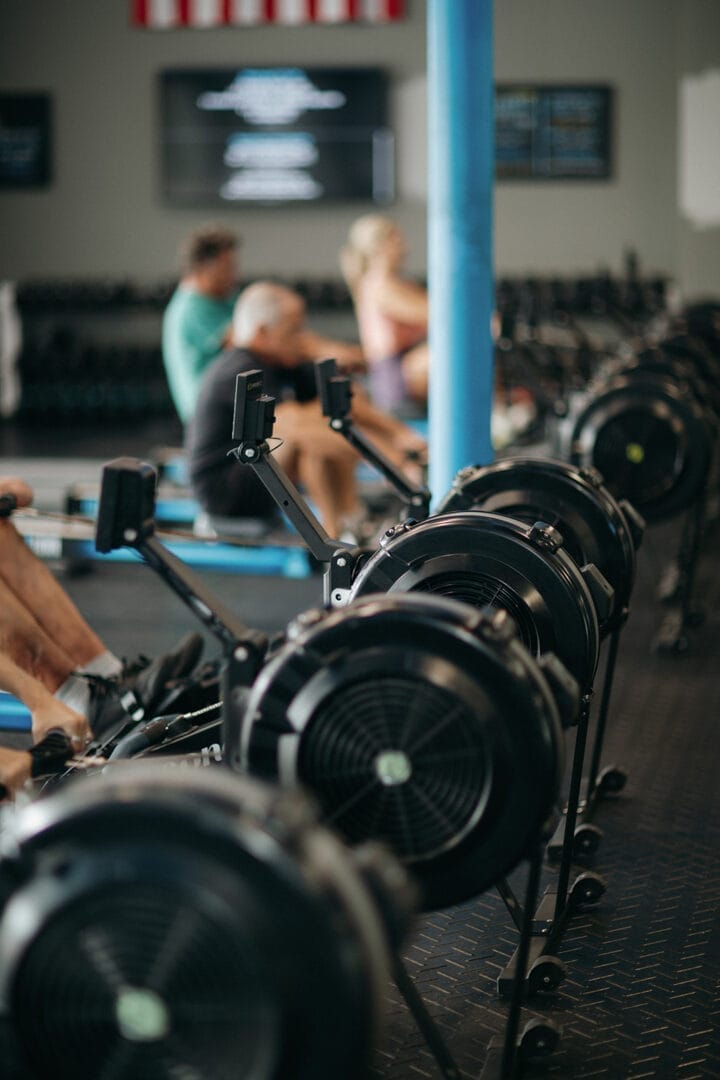
Youth strength training is something I believe in deeply — and it has nothing to do with how much weight a young person can lift. When I was younger I was not particularly sporty or talented at sport. I played on teams, sometimes got picked, sometimes did not. I won games and lost a lot more. But looking back, some of the biggest lessons I learned growing up came through sport and physical challenge. That is what this week is about — and why we are launching something new at Trinity this fall.
Youth Strength Training: You Get Out What You Put In
One of the first things sport teaches you is something that becomes incredibly important later in life: there are no shortcuts. If you want to get better, you have to practice. If you want to get stronger, you have to train. If you want to improve a skill, you have to keep working at it — particularly when you are not very good at it yet. What you put in is usually what you get out. Learning that lesson when you are young is incredibly valuable.
Fast-forward ten or twenty years. Two people walk into a job interview. One has spent years showing up to training when they did not feel like it. They have competed, been nervous, failed, been dropped from teams, and worked hard at things they were not naturally good at. They have learned to be comfortable being uncomfortable. The other has rarely had to test themselves in that way. Who is better prepared to handle the challenges life is going to throw at them? I know which one I would bet on.
Learning How to Lose
Sport also teaches us something we probably do not talk about enough: how to lose. You can train hard all week and still lose the game. You can give everything you have and still not get picked. You can do your absolute best and somebody else can simply be better on the day. That is life. Former Manchester United captain Roy Keane once summed it up: when you are playing sport, it is all about disappointments, and if you survive long enough, you get a few highs along the way. Maybe that is one of the greatest lessons sport can give a young person. Things will not always go your way. You learn to deal with disappointment, pick yourself back up, and go again. And when success does eventually come, you appreciate it that little bit more.
Forget the Scoreboard
This is something I wish I had understood better when I was younger. Growing up I was very outcome focused — did we win or lose, did I play well or badly, did I get picked or not? It was only much later that I began to understand the value of becoming process oriented rather than outcome focused. Because you cannot always control the scoreboard. What you can control is the next play. Focus on your role and what you need to do right now. That is as valuable at 40 as it is at 14.
Most worthwhile results — in sport, fitness, work, or life — do not come from one dramatic breakthrough. They are an accumulation of small things done over and over again. You show up when you are nervous. You try something difficult. You fail. You try again. You get a little better. And eventually those repetitions become real confidence — not the empty motivational kind, but confidence rooted in evidence. You have done the reps. You have been uncomfortable before. You have proved to yourself that you can do difficult things. According to research on long-term health outcomes, the habits built through consistent physical activity in youth carry forward into adult life in ways that go far beyond the gym.
It Is Bigger Than Exercise
Being part of a team teaches you how to communicate, how to listen, how to get along with different personalities, how to support somebody else, and sometimes how to put the needs of the group ahead of your own. Those are not just sporting skills. They are life skills. And they are exactly the kind of skills we want to develop through youth strength training at Trinity.
Introducing the Trinity Youth Strength Program
This fall, we are launching our Youth Strength Program at Trinity. Yes, we are going to teach young people how to exercise properly and help them become stronger, fitter, and more physically capable. But that is only part of it. We want to create an environment where young people can build discipline, embrace challenges, develop confidence that carries into life outside the gym, and learn that progress comes from consistently showing up and putting in the work. Long after they have forgotten how much weight they lifted or how many reps they completed, the lessons from challenging themselves can stay with them for life.
If you have a son, daughter, family member, or friend who you think could benefit from the Trinity Youth Strength Program, we would love to tell you more about it. Book a free intro call and let’s have a conversation about what the program looks like and whether it is the right fit.
Have a great weekend.
Seamus Keane, NASM CPT
Co-founder, The Trinity NYC